Nutritional Profiles of Equatorial Botanicals
A quantitative analysis of macronutrients, enzymes, and mineral concentrations in tropical flora. Select a dataset below to examine clinical nutrition matrices.
Core Vitamins
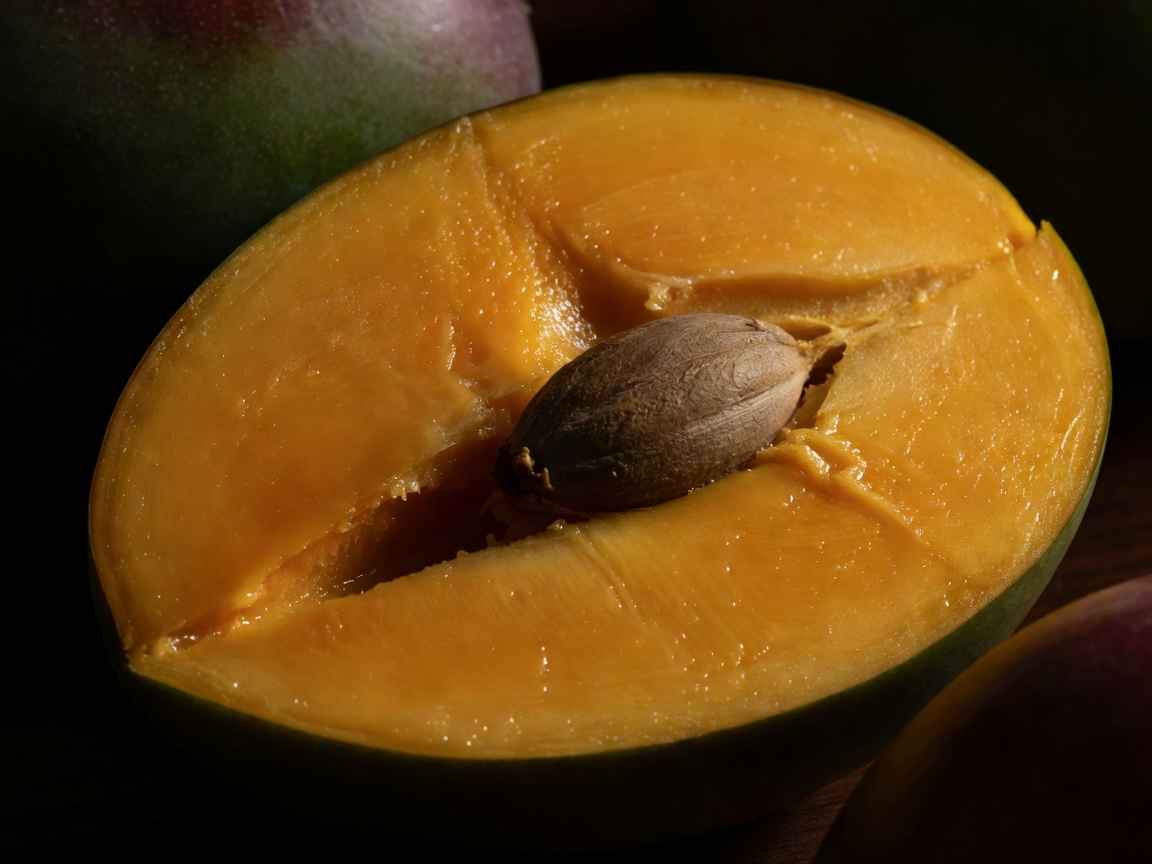
The concentration of ascorbic acid in Psidium guajava frequently exceeds 200mg per 100g, while Mangifera indica presents significant beta-carotene precursors. The following tool allows dynamic filtering of documented botanical samples based on primary active compounds.
| Botanical Specimen | Primary Compound | Yield per 100g | Enzymatic Note |
|---|---|---|---|
| Mangifera indica (Mango) | Beta-carotene | 54 μg | High bioavailability |
| Carica papaya (Papaya) | Papain Enzyme | 1.5 g | Proteolytic activity |
| Ananas comosus (Pineapple) | Bromelain | 1.2 g | Digestive catalyst |
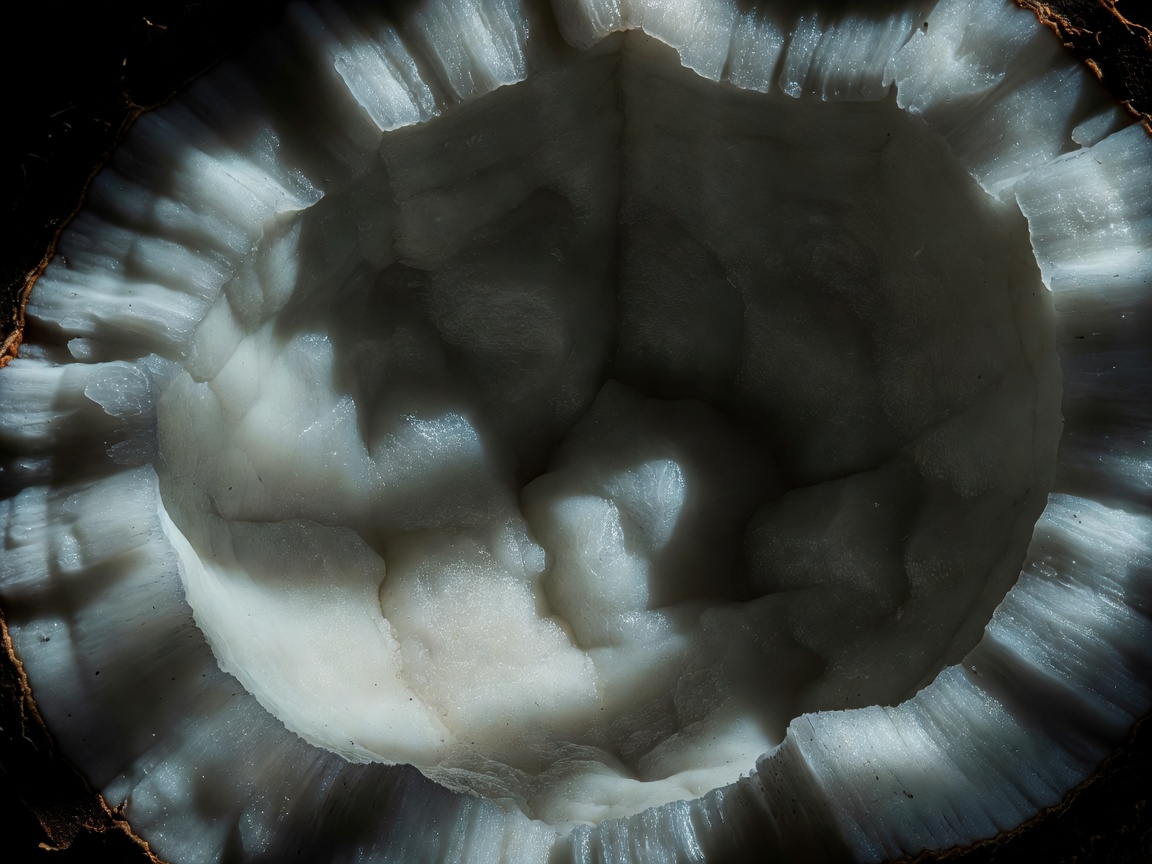
| Cocos nucifera (Coconut) | Medium-Chain Triglycerides | 33 g | Rapid hepatic metabolism |
| Psidium guajava (Guava) | Ascorbic Acid | 228 mg | Antioxidant synthesis |
Antioxidant Yields
Quantitative analysis indicates that high-phenolic botanical structures, such as those found in specific papaya cultivars, demonstrate notable reactive oxygen species mitigation. The dataset outlines specific isolated compounds necessary for clinical modeling.
Digestible Fibers
Structural carbohydrates in equatorial fruits resist upper gastrointestinal enzymatic breakdown, functioning as prebiotics in the lower intestine.
Pectin Matrices
Soluble structural fibers form gelatinous matrices in aqueous gastric environments, moderating postprandial glucose surges.
Cellulose Chains
Insoluble polysaccharides dominate the exocarp, resisting hydrolytic degradation and increasing fecal transit velocity safely.
Resistant Starches
Pre-ripened botanical states contain significant starch fractions that evade amylase catalysis, fermenting primarily in the distal colon.
Caloric Densities
Variations in lipid profiles heavily skew caloric density. Cocos nucifera endosperm provides dense medium-chain triglycerides, contrasting sharply with the sucrose-heavy profiles of Musa acuminata. This divergence necessitates careful calculation when integrating these variables into clinical dietary protocols.